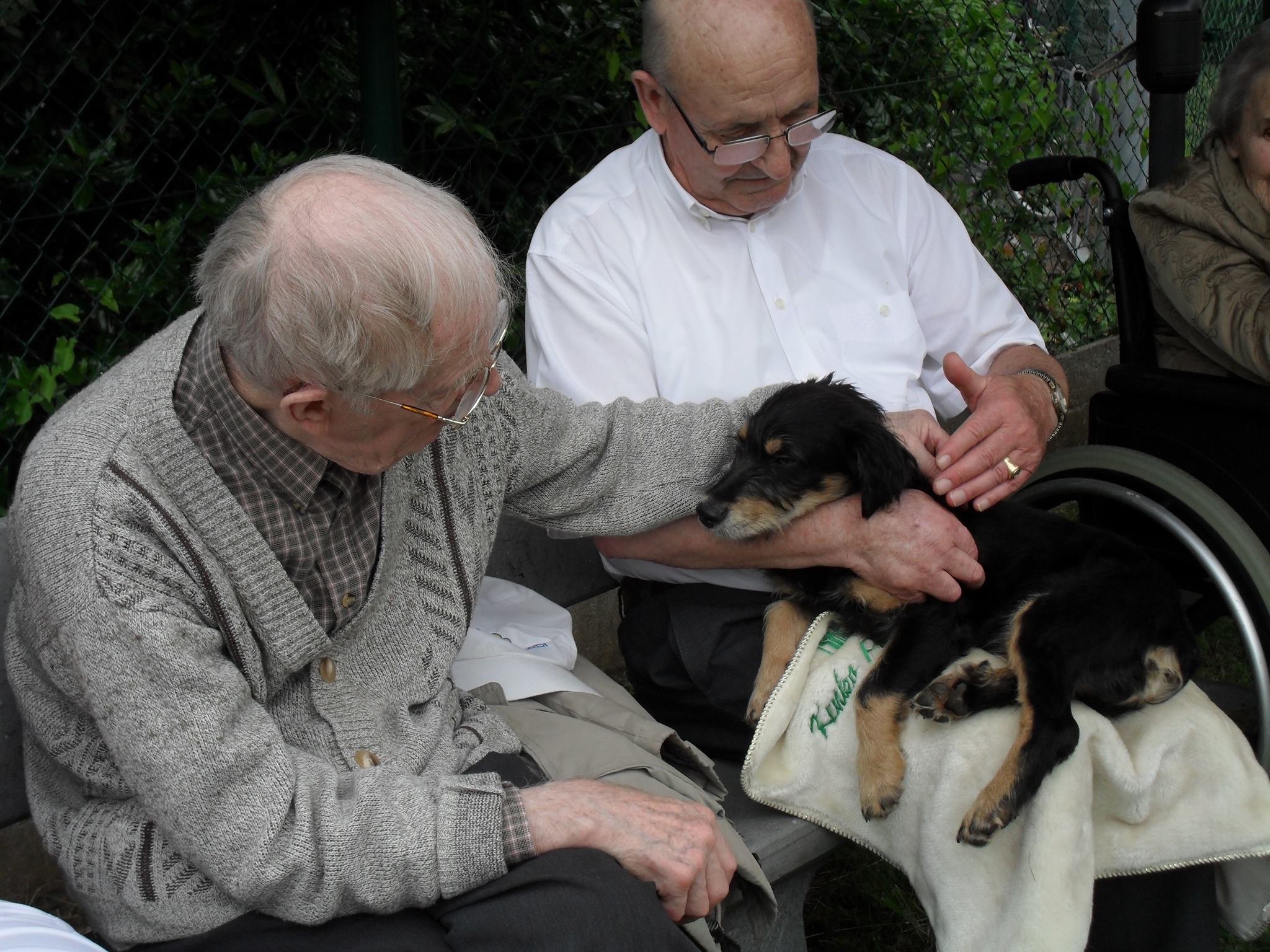
Numerous studies point to positive effects of animal-assisted therapies on children with autism, although the scientific evidence remains anecdotal. Patients, their family members, and healthcare staff generally hold positive views regarding the use of therapy animals. The study investigates the public perception of the use of therapy animals and whether differences in this perception exist between individuals with and without children with autism and with and without experience with therapy animals. For this purpose, a survey was shared via social media. The results show that the public maintains a positive perception of the therapeutic value of therapy animals. Respondents believe that therapy animals ensure that clients become more open and social, and exhibit less fear of animals and a greater sense of responsibility. Potential disadvantages such as hygiene issues or aggression do not pose a stumbling block. However, the perception is that there is an insufficient supply of therapy animal sessions. Opinions on the cost and duration of the treatments are divided, possibly due to a lack of available information.


