Loss is one of the most profound experiences in human life, and for children, this can be particularly complex and overwhelming. Grief is not a linear process, but an individual journey with various emotional phases that can differ per child.
The way children experience loss depends heavily on their age and developmental stage. Young children understand death differently than adults. They cannot yet fully grasp the definitive nature of loss, which makes their grieving process unique.
The most important support starts with open, honest communication. Always use concrete, understandable language. Avoid vague expressions like “gone away” or “is sleeping.” Children can interpret these words literally, which can cause confusion and fear.
Children need to feel safe to express their emotions. Sadness, anger, confusion, even temporary denial are normal reactions. Validate their feelings without judgment. Say: “It is okay to be sad” or “I am listening to you”.
Rituals can have a healing effect. Looking at photos together, sharing memories, creating a memorial corner – these are ways to grieve and honor. Let the child actively participate in shaping these memories.
Supporting practices per age phase
Toddlers (2-5 years)
- Use simple, concrete language
- Provide a lot of physical closeness
- Repeat information
- Maintain fixed routines
- Show your own emotions
School-aged children (6-12 years old)
- Allow questions
- Encourage expression through drawing, play
- Allow space for different emotions
- Stay predictable and stable
- Share memories
Teenagers
- Respect their individual processing method
- Allow room for privacy
- Listen without advising
- Support without verifying
Practical Support Strategies
- Sometimes professional help is needed. A child psychologist or grief therapist can offer tools for more complex processing procedures. Especially in cases of persistent depressive moods, extreme behavioral changes, problems at school, or social isolation.
- Grieving adults can only support children from a balanced emotional state of their own. Take care of yourself as well.
- Keep as many daily routines as possible. Stability gives children a sense of security during a chaotic period.
- Do not force a specific way of processing. Every child grieves differently. Some talk a lot, others withdraw.
Grief is not a disease that needs to be cured, but a natural process of adjustment and remembrance. Every child finds their own way, with the right support.
Animals as healing companions
Animals have a unique gift to provide support during emotionally difficult periods, especially for grieving children. They offer a form of comfort that transcends words, an unconditional presence that can work healing on deeper levels.
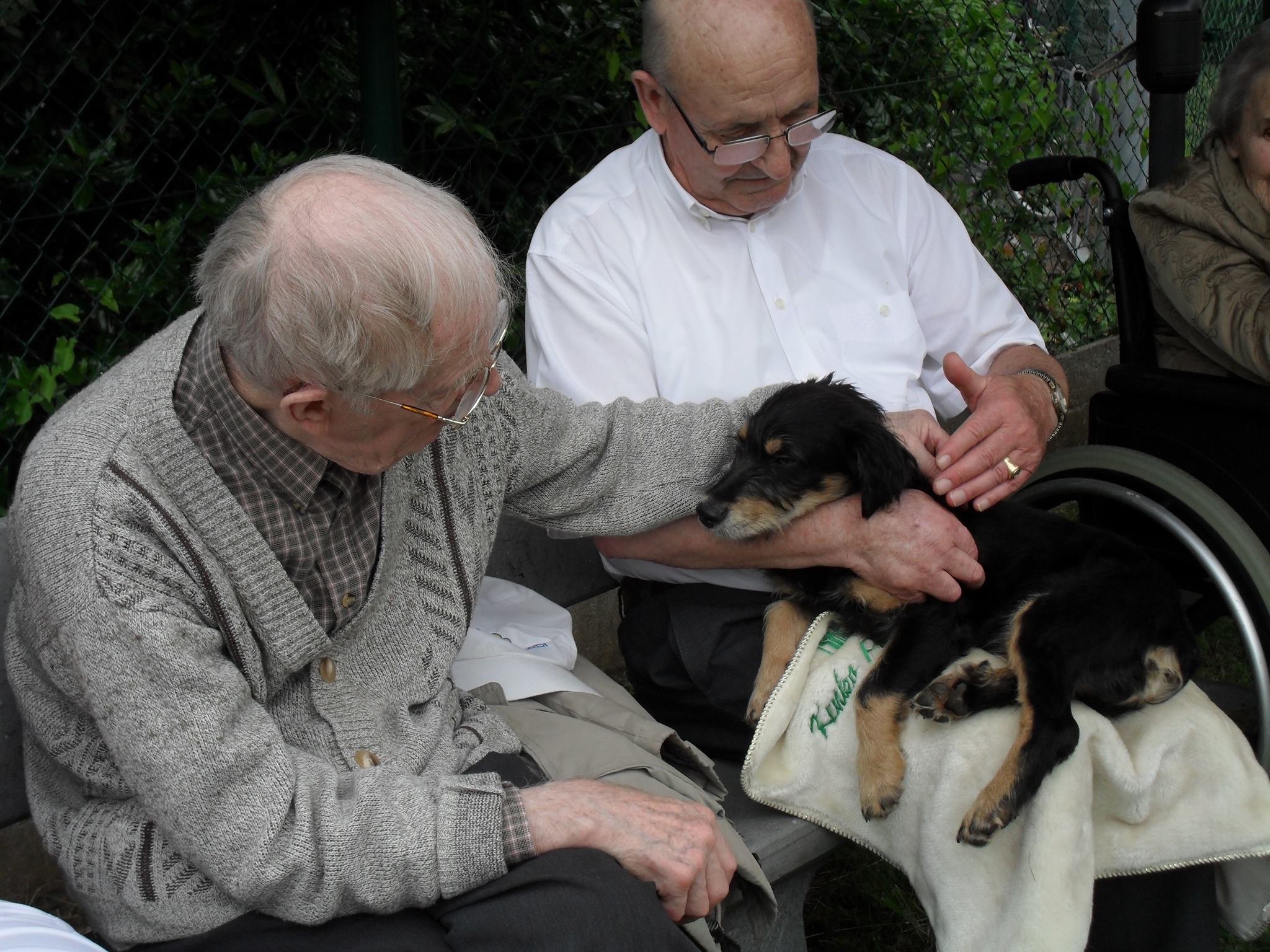
The power of animals in the grieving process lies in their ability to offer pure, non-judgmental presence. Where humans struggle with what to say, animals communicate through energy, touch, and an uncomplicated form of connection. A dog gently resting its head against a child, a cat quietly lying down next to someone – these are moments of deep comfort.
Animals help children navigate their emotional spectrum without pressure or expectations. They accept all feelings: sadness, anger, confusion. A child can cry into a dog, be angry, or simply be quiet—the animal does not judge. This unconditional acceptance is especially healing for grieving children.
The physical presence of an animal can be enormously comforting. The soft touch, the regular breathing, the warmth – these are physiological triggers that have calming effects. Scientific research shows that closeness to animals reduces stress, calms the nervous system, and stimulates the production of comfort hormones.
Children who struggle to put their sadness into words find a wordless communication partner in animals. A hug, walking together, throwing a ball – these are moments of connection that do not depend on spoken language.
Animals offer a stable, predictable presence. Daily care for an animal – feeding, walking, brushing – creates a routine that offers comfort during a period of chaos. It gives children a sense of control and meaning.
Specific Forms of Support
- Therapy animals: Trained animals that specifically provide support
- Pets: Familiar animals with which the child already has a bond
Studies show consistent positive effects:
Reduction of stress hormones
- Improvement of emotional expression
- Increase in social connection
- Support in processing process
Animals remind children of the cycle of life and connection. They show that love continues, that closeness can take different forms. They are silent witnesses of grief, but also of hope and healing. They invite children to a journey of remembrance, acceptance, and new connection.


